Arthritis Pain Relief for Dogs: Comfort Beyond Limping (Vet Verified)

Dog arthritis brings swelling, joint pain, tenderness, and overall discomfort to our four-legged companions, and these symptoms usually exacerbate during the colder winter months. This calls for a comprehensive strategy for arthritis pain relief for dogs, especially senior dogs, whose limping can sometimes be due to causes other than arthritis.
Let’s take a look at how you can help your struggling pooch, how to catch the symptoms early, and, ultimately, make their lives a bit better.
Key takeaways:
- Arthritis pain in dogs shows up as as reduced movement, stiffness, and sleep changes.
- Senior dogs hide pain well, so behavior and routine changes matter more than limping.
- Effective arthritis relief combines medical care, weight control, movement, and home support.
- Consistent, moderate exercise helps joints; overdoing it can worsen pain.
- Tracking daily patterns with tools like Maven Pet monitor helps catch flare-ups early and supports better vet decisions.
What Arthritis Pain Looks Like in Dogs
You usually won’t hear a dog with arthritis pain yelping and squirming in pain. The signs are more subtle than that. They will actually move less, hesitate before jumping, take stairs like they’re negotiating a business deal, or “warm up” after resting (stiff at first, better after a few minutes).
Most owners, especially those who use tools such as the Canine Brief Pain Inventory (CBPI) to quantify their dog’s pain, describe the condition as the dog “slowing down”. CBPI is often used to assess the impact of osteoarthritis treatment, making it a reliable indicator.
A dog with sore joints may start pacing at night, switching sleeping spots, or struggling to get comfortable. In fact, pet health trackers and activity monitors have found nighttime restlessness in dogs with osteoarthritis, and improved sleep patterns when pain is better controlled.
How to Tell If a Senior Dog Is in Pain
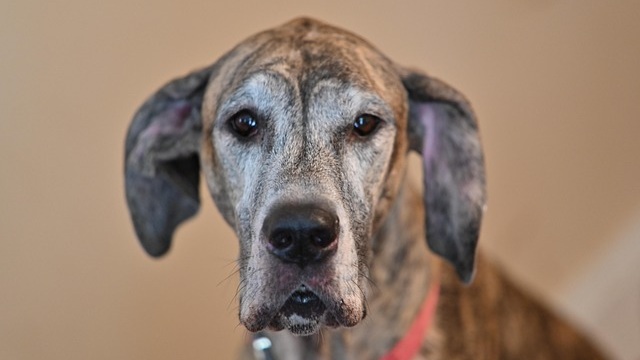
Even senior dogs mask pain really well, so if you want to learn how to tell if a senior dog is in pain, you have to track the changes in how they move, rest, and interact.
Common signs your senior dog may be in pain:
- Slow to rise or lie down
- Stiff after naps or in the morning
- Shorter, slower walks
- Hesitation with stairs, jumping, or cars
- Less interest in play or social time
- Changes in posture or weight-bearing
- Restless sleep or frequent repositioning
- Irritability or sensitivity to touch
The earliest indicators of chronic pain in older dogs include mobility decline, sleep disruption, and behavioral changes, and these are present well before lameness sets in.
Arthritis Pain Relief for Dogs: What Really Helps
There is no cure for arthritis in dogs, so pain relief for senior dogs is the only real priority. Here’s how it’s usually achieved.
NSAIDs (Non-Steroidal Anti-Inflammatory Drugs)
NSAIDs have long been the go-to options for pharmaceutical treatment of canine osteoarthritis because they reduce joint inflammation, which is the primary driver of pain. Consistent improvements in mobility and pain scores in dogs with OA when NSAIDs were used under veterinary supervision have been well documented.
Painkillers (Non-NSAID Analgesics)
Painkillers don’t treat the inflammation itself. Their role is to alter how pain signals are processed in the nervous system, providing the dog some respite. Vets usually prescribe different types of opioids, like Tramadol, since they have very few severe side effects and work well when combined with NSAIDs.
Weight Management
Obesity is a risk factor for the development of osteoarthritis in dogs, and even though it’s not as prevalent as in humans, it still calls for complete weight management for such canines. In fact, a measurable pain reduction and improved gait have been achieved after weight loss. According to long-term studies on Labrador retrievers, restricting food intake by 25% increased lifespan by 15% and delayed the onset of degenerative diseases such as arthritis.
Physical Exercise (Moderate & Consistent)
Dogs with OA benefit most from moderate activity, even consistently. It’s crucial not to let it become high-intensity exercises, as you don’t want to put more pressure on the cartilage and cause further damage.
Physical Treatment
Rehabilitation therapies such as therapeutic exercise, laser therapy, and manual therapy can also help reduce pain scores on the CBPI, especially when combined with medical management.
Joint Supplements
Joint supplements play a big part in managing dog arthritis since they can support the regeneration of the cartilage and reduce inflammation. Industry experts note that these supplements, such as omega-3 fatty acids and green-lipped mussels, primarily play a preventive role rather than a curative one, but their beneficial effects are well documented.
Special Diets
Therapeutic diets enriched with omega-3 fatty acids are supported by substantial evidence for weight loss and blood glucose control, which in turn helps reduce joint pressure.
“I got the Maven sensor for my 14-year-old Chihuahua mix with heart and trachea issues. It gave me back peace of mind – I can track her RRR, BPM, drinking, and activity anytime and know instantly if something’s wrong. Highly recommend!”

★★★★★
Chiara De Luca
Titti
Senior Dog Pain Relief Options (Vet-Guided)
Senior dog pain relief strategies should include options that provide the much-needed comfort and ease of movement. These include:
- Anti-inflammatory therapy
- Adjunct pain control
- Weight optimization
- Gentle, consistent movement
- Nutritional support
- Comfort-focused home changes
Supportive bedding and ramps are one thing, and painkillers are another, but for the best results, you have to combine all of these actions. Only then can you truly help your pooch.
Pain Management for Senior Dogs: Daily Strategies
“Arthritis pain often shows up as changes in sleep, movement, or behavior before obvious limping begins. Tracking these trends helps us intervene earlier.” — Carolina Domingues, DVM, Veterinarian at Maven Pet
Pain management for senior dogs is about establishing a predictable routine. From nutritional intake to daily exercises, everything needs to be tailored for your dog specifically. The following strategies generally do the trick:
- Choose low-impact movement: Think about short, steady walks and controlled activity to help your dog maintain muscle strength and joint range of motion without triggering inflammation or soreness.
- Provide joint-friendly rest areas: Supportive bedding cushions pressure points and helps seniors rest more deeply, so consider getting those.
- Use ramps and non-slip surfaces: Keep the jumping to a minimum, even though they can still do it. Slipping also puts a lot of pressure on the joints, so make sure to install non-slip surfaces in your home.
- Monitor behavior and mobility daily: With the help of a dog health tracker, you can track subtle changes in movement, mood, or sleep that often signal pain shifts even before obvious limping appears and point in the direction of arthritis.
What to Avoid When Treating Arthritis Pain
When managing arthritis pain in dogs, avoid human medications. Many of these are toxic to dogs and can cause serious organ injury. It’s also important to avoid inconsistent care and to avoid repeatedly starting and stopping treatments or exercise routines. This can trigger painful flare-ups.
Overexercising on “good days” often backfires, increasing inflammation and stiffness afterward. Finally, skipping veterinary check-ins is risky, especially for seniors, since arthritis gets worse with age and can deteriorate rapidly.
How Maven Pet Helps Monitor Pain-Related Changes
With Maven Pet’s pet health app, you get a tool that can help you spot those shifts by focusing on everyday patterns: whether walks are slowly shrinking, play sessions are less frequent, or long, quiet afternoons are becoming the norm. By examining total activity, high-energy moments, and rest patterns together, it becomes easier to identify when joint pain may be limiting movement.
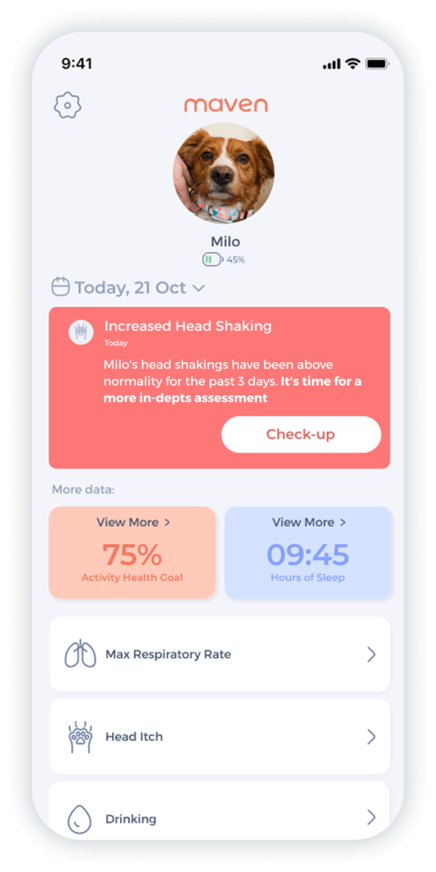
Monitor heart rate, respiratory rate, activity & rest, drinking, itch behavior.
For arthritis management, comparing your dog to their own normal is key. Maven tracks a personal baseline, so subtle improvements or setbacks stand out without relying on generic ranges. Nighttime insights can reveal when pain is interrupting sleep, which is common in osteoarthritis.
Owners can also log things like massage, supplements, or vet-recommended changes and review how mobility trends shift over time, and offer additional context for vets to help them set up a treatment plan.
Conclusion
Even senior dogs with arthritis can lead a fulfilling life if you recognize the pain early and manage it with a balanced, vet-guided approach. This approach involves paying attention to subtle changes, avoiding common pitfalls such as overexercising your dog or assuming medication can fix everything, and consistently supporting your dog at home. Your biggest ally in that fight is Maven Pet’s dog health tracker. Check out its features and help your dog today.
Maven Pet focuses on improving the quality of life of our pets with technology, using artificial intelligence (AI) to enable proactive pet care. By accurately collecting and monitoring pet data 24/7 and flagging any irregularities, Maven Pet empowers pet parents and veterinarians to stay ahead of potential health issues, ensuring the well-being and longevity of our beloved companions.